
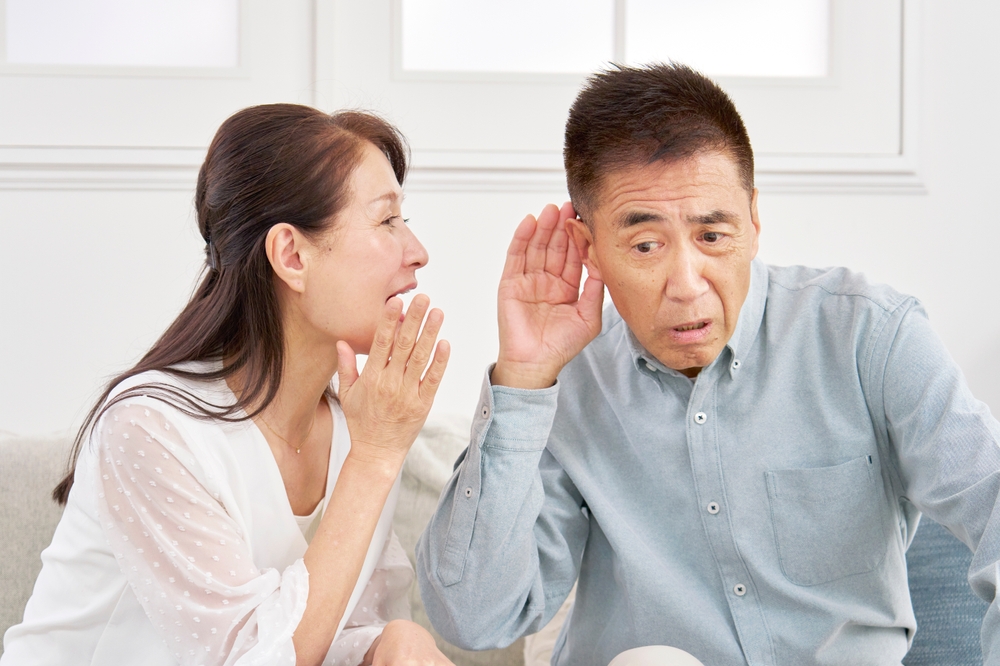
Prevalent myths regarding hearing loss frequently act as a barrier to necessary audiological treatment. Proactive management of hearing loss ensures the best possible outcomes for auditory preservation. Adhering to standard hearing myths often leads to diagnostic delays and a measurable decline in life quality.
Identifying the facts behind auditory health allows you to navigate clinical options with technical certainty. We will now examine seven prevalent auditory myths and the clinical evidence that refutes them.
Myth One: Auditory Decline is Strictly Age-Related
Although aging affects the ears, hearing loss is not exclusive to the elderly population. Auditory challenges in children and young adults often stem from noise pollution, heredity, or pharmaceutical side effects.
Viewing hearing impairment through an age-restricted lens delays diagnosis for millions of younger individuals.
The “I Can Still Hear” Fallacy
An individual can suffer from hearing loss without experiencing a complete loss of sound. In fact, many people with mild or moderate hearing loss can still hear sounds, but they struggle to understand speech clearly. The space between normal hearing and total impairment is populated by various degrees of clinical challenges.
Common indicators include struggling with speech in noise, requesting repetition, or experiencing post-social cognitive fatigue. These are common early signs of hearing changes that should not be ignored.
Hearing Impairment: More Than a Social Nuisance
The ramifications of unmanaged hearing loss extend far beyond simple conversational struggles. Research has linked unmanaged hearing loss to social withdrawal, increased stress, cognitive strain, and even a higher risk of depression.
Proactive hearing care is a vital component of maintaining cognitive health and emotional stability.
Myth Four: The Deterioration Fallacy
There is no clinical evidence to suggest that proper use of hearing aids speeds up auditory decline.
When fitted correctly, hearing aids are safe tools for auditory rehabilitation. These devices use precision digital processing to target frequencies identified in your hearing test. In many cases, using hearing aids can help the brain stay engaged in processing sound, supporting long-term auditory health.
Modern Hearing Aids: Invisible and Powerful
Current hearing tech leverages micro-circuitry to achieve high performance in small packages. Today’s devices are smaller and more powerful than ever. Sleek “Behind-the-Ear” and “In-the-Ear” designs ensure that modern hearing help is virtually undetectable.
In addition to their size, modern hearing aids often include beneficial features like background noise reduction, Bluetooth connectivity, and automatic sound adjustments.
Myth Six: The Fallacy of “Wait and See” for Mild Loss
Even a subtle auditory deficit can significantly increase the cognitive load required for daily conversation. Using hearing help for mild cases reduces the heavy “brain power” usually required to decode speech.
Early clinical action ensures that the brain’s auditory processing centers remain sharp and functional.
Why OTC Devices Often Fall Short of Clinical Needs
Generic OTC amplifiers lack the sophisticated frequency shaping required for complex hearing loss profiles. Professional diagnostics ensure your hearing solution is “tuned” to your specific environment and biology.
Custom-fit solutions provide a level of acoustic fidelity that generic devices simply cannot match.
Don’t Let Hearing Loss Myths Hold You Back
While aural changes are intimidating, delaying care only leads to more complex communicative issues. But believing common myths about hearing loss can make symptoms more challenging over time. Fortunately, a modern hearing test is a non-invasive, efficient process that yields vital health data.
If you’ve noticed changes in your hearing (even subtle ones), a professional assessment is an important first step. Early intervention can improve not only communication, but also overall quality of life.
If you want to learn more about your hearing health or schedule a hearing evaluation, our team is here to help! Contact our office today to schedule your personalized hearing consultation.