
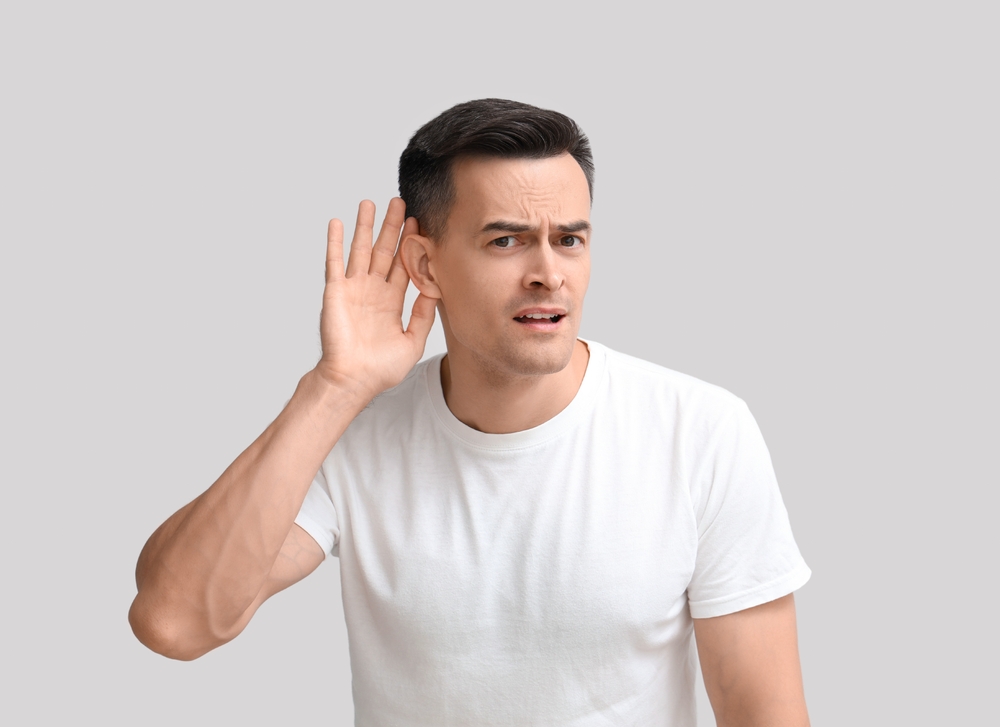
Is it common for you to feel physically and mentally spent after navigating a social environment?
You might initially blame your exhaustion on general tiredness or a busy lifestyle. And it’s true that for introverts or people with sensory issues, social situations can be exhausting. But in some cases, the cause is a lesser-known culprit: auditory fatigue.
Auditory fatigue occurs when the central nervous system must expend excessive energy to decode acoustic signals. If auditory input is degraded, the brain must engage in constant phonemic restoration to bridge the gaps in speech. Accumulated listening strain eventually manifests as the profound exhaustion associated with auditory fatigue.
Auditory fatigue is frequently misidentified as standard physical or mental lethargy. In many cases, persistent fatigue serves as a diagnostic “red flag” for early-onset hearing impairment. Only a specialized assessment can isolate the role of hearing loss in your current energy levels. If you notice this pattern happening regularly, talk to your provider about determining whether hearing loss is contributing to your symptoms.
Identifying the Core Drivers of Listening Exhaustion
Multiple variables contribute to heightened cognitive demand during sound processing, elevating the risk of auditory fatigue.
The Impact of Unmanaged Hearing Loss
Unmanaged hearing loss stands as a primary catalyst for chronic listening exhaustion.
If the peripheral auditory system fails to deliver clear data, the brain must use context clues to guess the missing information. Relying on context rather than clarity places an unsustainable burden on the brain during everyday conversations.
How Background Noise Triggers Fatigue
Busy environments can worsen auditory fatigue. Loud public spaces, corporate boardrooms, and large social gatherings typically feature high levels of competing ambient noise.
Processing concurrent audio streams requires the brain to perform intense “auditory scene analysis” to find the primary speaker. The resulting cognitive overload is particularly severe for those managing even marginal degrees of hearing loss.
Tinnitus and Sound Distortion
Tinnitus—the perception of internal ringing—exacerbates fatigue by increasing the sheer volume of data the brain must process.
Sound distortion caused by hearing loss can further increase strain, forcing the brain to work even harder to understand speech.
Identifying the Symptoms of Listening Exhaustion
Auditory fatigue can affect both mental focus and overall energy levels. Typical red flags for this condition include:
- Feeling mentally drained after conversations
- Difficulty concentrating during meetings or group discussions
- Development of “listening headaches” after long social events
- A sense of agitation triggered by difficult listening conditions
- Self-isolation as a defense mechanism against listening effort
- Compulsive need for rest after navigating a noisy environment
Should these signs become habitual, they serve as evidence of excessive cognitive load.
The Cognitive Cost of Auditory Decline
When hearing is clear, the brain can process speech almost effortlessly. Conversely, hearing loss forces the brain to redirect energy from other executive functions to assist in sound decoding.
Researchers describe this as increased cognitive load. This energy shift often leaves the patient struggling with recall and attention while they try to listen. This continuous drain on the brain’s “battery” leads to chronic daily exhaustion. Under these conditions, even brief interactions demand an unnatural level of mental focus.
Diagnosing the Source of Your Fatigue
When fatigue becomes a daily burden, a professional evaluation provides the necessary data for a solution. The evaluation process includes mapping your hearing range and measuring your speech discrimination accuracy. Testing your hearing in a noisy context is vital for identifying the true drivers of your social exhaustion.
A comprehensive hearing test can determine whether hearing loss is contributing to your fatigue and help guide the next steps for treatment. By catching these changes in their infancy, you can implement solutions before they damage your social and professional life.
How Modern Technology Lowers Cognitive Load
Treating hearing loss can significantly minimize listening fatigue.
Advanced hearing aids utilize AI to sharpen speech signals while simultaneously suppressing irrelevant environmental noise. The brain can finally rest, receiving data that is easy to interpret and understand.
With restored hearing clarity, you will likely see a boost in:
- General energy levels from morning to evening
- Ability to follow complex dialogue without drifting off
- A return to enjoying busy restaurants and gatherings
With less strain on the brain, everyday interactions can feel more natural again.
When Should You Schedule a Hearing Test?
It may be time to schedule a hearing evaluation if:
- You feel exhausted after conversations
- Friends or family members mention that you often ask them to repeat what they’ve said
- You find yourself “guessing” at words in loud settings
- You find yourself “hiding” in quiet rooms during parties or meetings
Addressing hearing concerns early can help reduce listening strain and improve overall quality of life.
What You Need to Know About Auditory Fatigue
Distinguishing Between Exhaustion and Impairment
Actually, no; auditory fatigue is the cognitive result of the strain, not the physical impairment itself. Most people experience auditory fatigue as a direct consequence of their hearing loss.
Do Hearing Aids Help with Exhaustion?
Yes—current technology is specifically designed to minimize the cognitive cost of communication.
Is auditory fatigue permanent?
With the right treatment, the exhaustion associated with auditory fatigue is often completely reversible.
Stop Feeling Drained After Conversations
Daily dialogue should not be a source of profound cognitive depletion. Feeling “wiped” after a party is a signal that your brain is struggling to manage its cognitive load.
Don’t wait for the burnout to get worse; schedule your audiological check today. Empowerment, confidence, and peace of mind start with understanding what’s happening with your hearing.