
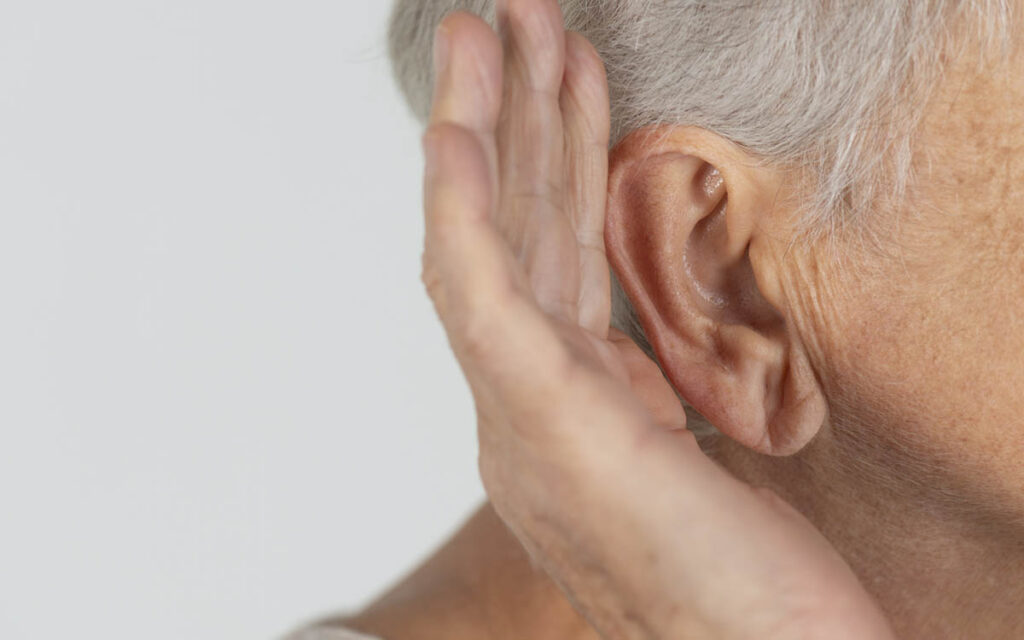
Most people associate hearing loss with getting older, yet for a vast number of citizens, physiological damage begins at a younger age. As one of the most prevalent and avoidable types of auditory impairment, noise-induced hearing loss typically progresses slowly, but it often occurs gradually and goes unnoticed until the effects are permanent.
An objective understanding of noise-related auditory impact over time allows for preventative measures prior to the onset of clinical hearing loss.
Identifying the Clinical Indicators of Noise-Related Hearing Loss
This form of hearing loss is precipitated by excessive acoustic energy damaging the fragile internal structures of the auditory system. Data from the CDC indicate that, sustained or frequent exposure to sounds exceeding 85 decibels, such as heavy traffic, can initiate auditory damage. More intense acoustic stimuli, such as power equipment or firearms, are capable of inducing auditory trauma in a matter of minutes.
The internal auditory system houses delicate sensory units termed hair cells. These cells convert sound vibrations into electrical signals that your brain interprets as sound. Because hair cells cannot repair or replace themselves once damaged, hearing loss resulting from noise is generally a permanent physiological state.
Understanding How Auditory Trauma Builds Over Time
One of the most concerning aspects of noise-induced hearing loss is that it often develops slowly. Initial signs of auditory overexposure may present as:
- Temporary ringing or buzzing in the ears (Tinnitus)
- Sensations of dampened or muffled auditory perception following noise exposure
- Reduced ability to distinguish vocal communication in loud surroundings
While these preliminary indicators may dissipate, this should not be mistaken for complete physiological recovery. In fact, chronic noise exposure causes ongoing trauma to inner-ear anatomy, leading to a progressive decline in hearing resolution.
Statistics from the HLAA suggest that 48 million Americans have some form of hearing loss, frequently with unidentified etiology.
Frequent Daily Risks of Auditory Trauma
The prevalence of loud sounds in daily life often results in a dangerous desensitization to harmful noise levels. As a result, many individuals remain unaware of the clinical prevalence of damaging noise exposure.
Potential sources include:
- Professional music performances and concert environments
- The use of headphones at unsafe volume settings
- Motorized landscaping equipment, power machinery, and vehicles
- Workplace noise in construction, manufacturing, or warehouses
Since these noises are integrated into daily routines, cumulative damage often occurs without immediate clinical indicators.
Why Auditory Prophylaxis Remain a Critical Priority
In contrast to certain medical conditions, noise-induced hearing loss is characterized by its permanent nature. Despite its permanence, the condition is significantly preventable. Risk reduction can be achieved through fundamental protective habits, including:
- Utilizing hearing protection devices like earplugs in noisy settings
- Lowering headphone volume and following the “60/60 rule”
- Implementing quiet intervals to permit the auditory system to rest
- Arranging for routine Audiology assessments if noise exposure is frequent
When to Seek Expert Audiology Services
If you notice persistent ear ringing, difficulty following conversations, or changes in hearing clarity, you should seek evaluation from a hearing professional. Timely professional assessment facilitates the creation of a management plan to maintain long-term auditory health.
Implementing protective measures today safeguards your auditory capacity for the years ahead. Noise may be unavoidable, but hearing loss doesn’t have to be!. We invite you to schedule an appointment with our team to optimize your hearing function.