
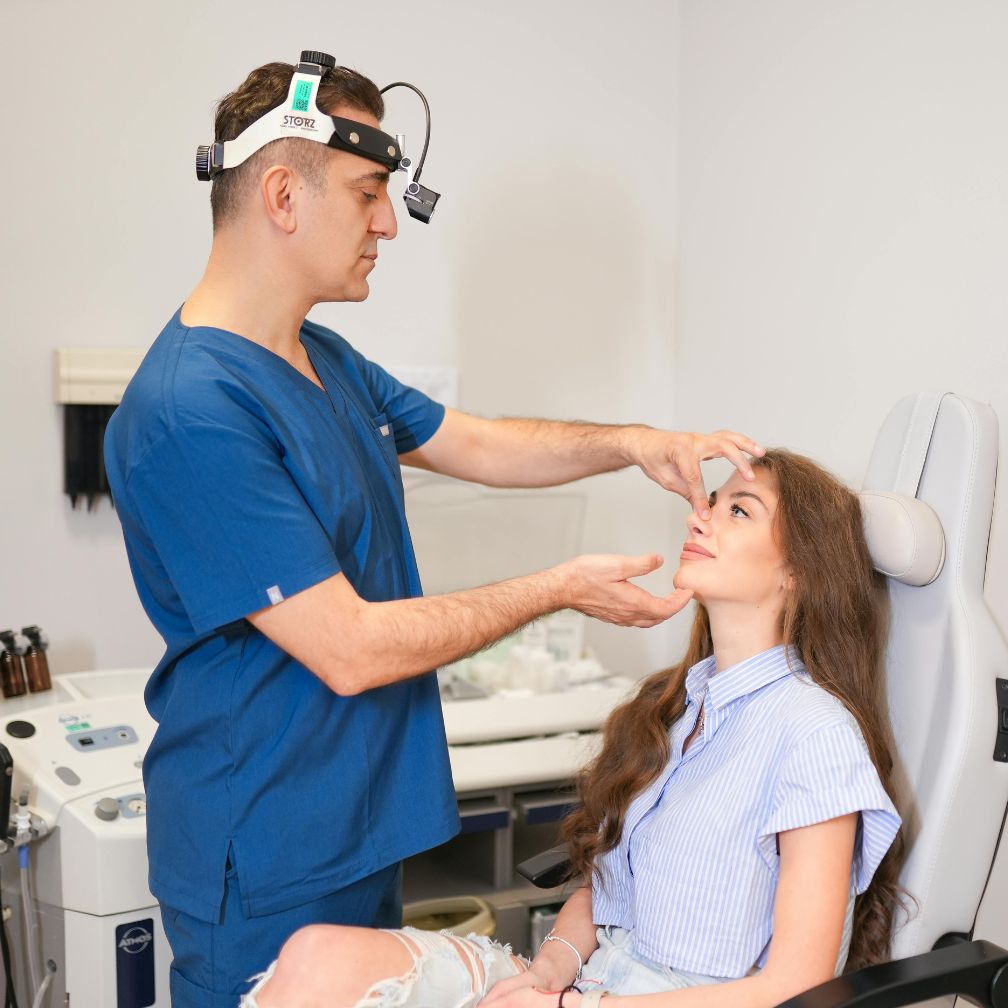
Your nose does more than help you breathe. It captures particulate matter, optimizes humidity, and sustains your normal sense of smell. Positioned at the core of the nasal cavity is the nasal septum, an osteocartilaginous partition dividing the nostrils. When the septum is straight, airflow is balanced. Should the partition lean off-center, establishing a deviated septum, it commonly generates lasting airway resistance and health concerns.
What You Should Know About a Deviated Septum
A clinical deviated septum forms when the internal nasal divider is displaced, encroaching upon one of the nasal chambers. A portion of patients are born with septal misalignment, though many develop it after experiencing direct nasal injuries. In subtle clinical cases, the deviation is minimal and generates no perceptible breathing difficulty. Yet, when displacement is severe, it impairs respiratory intake and sinus drainage, driving persistent clinical issues.
Common causes of a deviated septum include:
- Congenital malformations present at birth
- Blunt impact trauma from competitive sports or accidental falls
- Previous nasal surgeries
Without clinical intervention, persistent septal deviation often leads to chronic sinus issues, frequent infections, and sleep-disordered breathing.
Identifying Common Signs of a Deviated Septum
Not everyone with a deviated septum experiences issues. Nonetheless, when physical signs emerge, they typically present as:
- Unilateral Airway Resistance: Sensation of persistent blockage in one nasal passage, notably when resting flat or during allergy episodes, strongly suggests a deviated septum.
- Repetitive Bleeding Episodes: Imbalanced air patterns dehydrate internal mucous membranes, triggering frequent epistaxis or nasal bleeding.
- Cyclical Sinus Infections: Poor natural sinus clearance promotes microbial growth within trapped mucus, leading to repeated sinus infections.
- Chronic Facial Pressure and Headaches: Impaired ventilation generates localized sinus barotrauma, provoking aching headaches and tenderness across the forehead and orbits.
- Retronasal Drainage: Obstructed forward clearance forces secretions toward the hypopharynx, creating tickling coughs and frequent throat clearing.
- Restless Sleep and Chronic Snoring: A narrowed internal airway drives audible nighttime breathing, loud snoring, and secondary sleep apnea.
- Restricted or Noisy Breathing Patterns: Nasal turbulence becomes especially evident during strenuous workouts or overnight sleep.
- Reduced Sense of Smell: Changes in airflow and chronic congestion can affect your ability to detect odors.
Diagnostic Protocols for Identifying Septal Deviation
Whenever persistent nasal issues compromise your routine, consulting a qualified ear, nose, and throat (ENT) specialist is advised. The ENT physician will first evaluate your symptom timeline, medical history, and any prior traumatic nasal incidents.
An in-office physical assessment standardly initiates the diagnostic process. Utilizing an illuminated headlight and a nasal speculum, your provider directly inspects internal structures for septal misalignment.
To validate findings and eliminate secondary conditions, your otolaryngologist may advise:
- Nasal Endoscopy: A thin tube with a camera provides a detailed view of your nasal passages and septum.
- Computed Tomography (CT Imaging): High-resolution sinus CT scans generate detailed cross-sectional bone views to locate bony deviations and sinus disease.
- Comprehensive Allergy Panels: Ruling out environmental allergies through specialized testing ensures accurate differentiation from mechanical deviation.
How Clinicians Correct a Deviated Septum
Fortunately, there are several ways to manage or repair a deviated septum, depending on the severity of your symptoms.
Non-Operative Treatment Strategies
- Topical Corticosteroid Sprays and Decongestants: These pharmaceutical agents minimize mucosal swelling to improve airflow without altering bone anatomy.
- Nasal Strips: Often used during sleep to improve airflow temporarily.
- Allergy Control: Managing underlying allergies can relieve symptoms caused by nasal inflammation.
Surgical Options for Deviated Septum
- Endoscopic Septoplasty: A specialized surgical operation that reshapes, trims, and realigns the nasal septum to establish balanced airflow.
- Rhinoplasty (if needed): Often performed alongside septoplasty to improve nasal appearance or correct structural damage.
- Submucosal Turbinate Reduction: Swollen inferior turbinates are shrunk via radiofrequency or microdebrider ablation to widen nasal passages.
Clinical Indications for Visiting an ENT Specialist
An untreated deviated septum is not a harmless inconvenience; it frequently degrades sleep architecture and overall quality of life. If you’re dealing with persistent nasal issues, don’t wait for them to worsen.