
Hearing Loss Articles

A man lying in bed covers his ears with a pillow and looks frustrated, eyes closed tightly, as if disturbed by noise. He is under a white blanket and wearing a white t-shirt.

Understanding Nighttime Tinnitus: Why the Ringing Intensifies in Bed

It’s been a long day, and there’s nothing you’re looking forward to more than a good night’s sleep. You finally climb into bed, the house goes quiet, and that’s when it happens: The ringing in your ear is suddenly impossible to ignore. Should your phantom ear noises seem much more severe at bedtime, rest assured

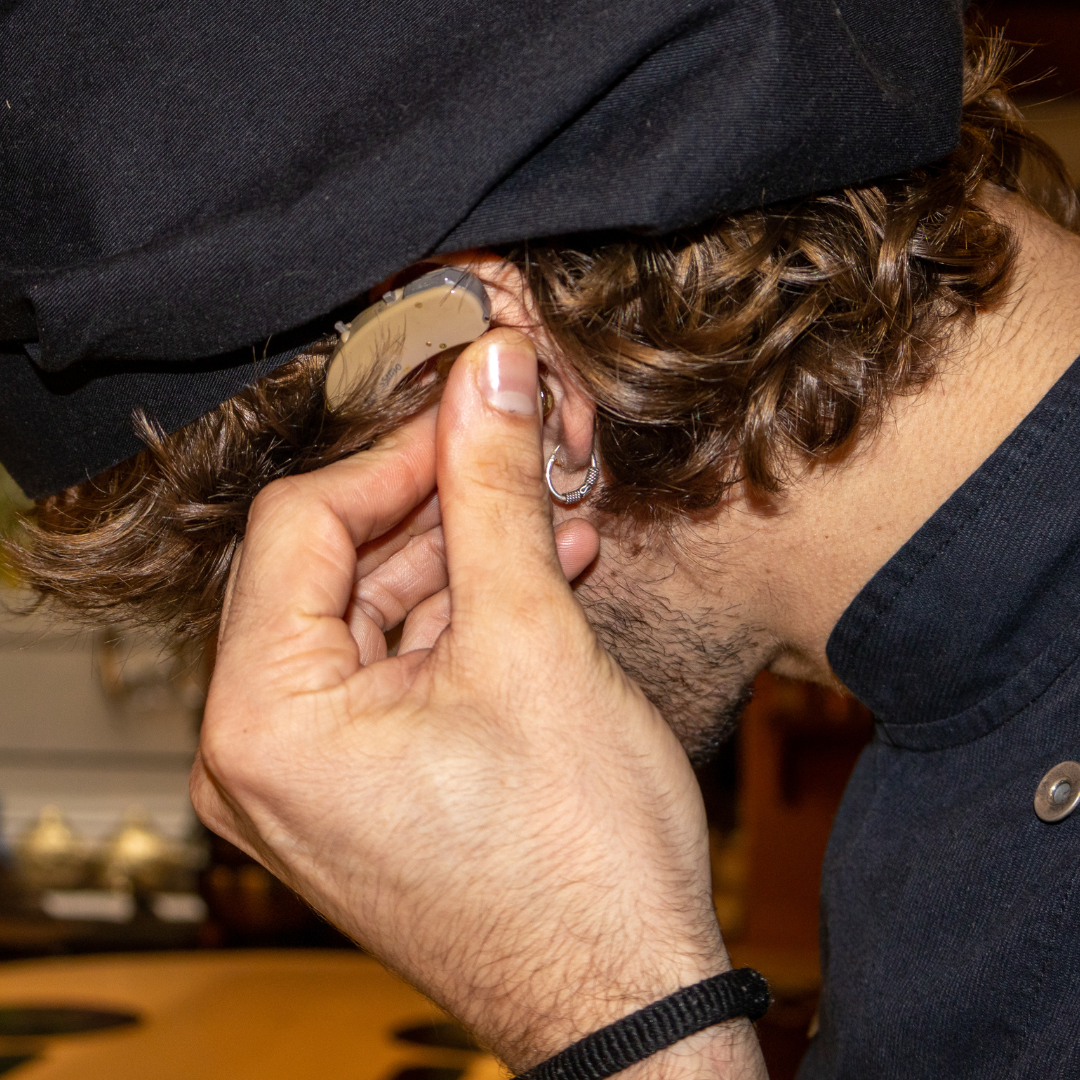
A woman is adjusting a hearing aid in her ear. She wears glasses and a smart watch.

Modern Auditory Devices: Redefining Appearance, Comfort, and Discreet Design

Many people delay getting hearing aids because they don’t think they’ll like how they look or feel. This hesitation is entirely valid given historical product designs! Regrettably, some people even experienced social alienation because acquaintances falsely assumed that wearing a visible aid signaled a complete inability to comprehend spoken dialogue. This obsolete perception remains deeply

Close-up of two people exchanging a payment card and a point-of-sale terminal, while holding a small package containing a hearing aid device on a tray.

How to Pay for Hearing Aids: HSA, FSA, Insurance & Financing Options

If you’ve looked into hearing aids, one of the first things you’ve probably noticed is the price. Based on the sophistication of the digital signal processing and the required audiometric programming, these devices span a wide pricing spectrum. Such a capital requirement often surprises families, leading them to prematurely halt their pursuit of better auditory

An elderly woman wearing glasses and a black top smiles while adjusting a hearing aid on her ear, sitting indoors near a window with light coming in.

Understanding Medicare Coverage for Hearing Aids: The Reality

Are hearing aids covered by Medicare? To be direct: they are not. Standard Medicare coverage does not include hearing aids. We understand this isn’t the preferred answer, and many individuals are caught off guard by this fact. Fortunately, you have other ways to manage the cost. Supplemental paths like Medicare Advantage, various financing programs, and

A close-up of a person’s ear with short black hair, inserting a white wireless earbud using their right hand.

Are Your Earbuds Damaging Your Long-Term Hearing Health?

Rarely do we see a young adult in public without an earbud in their ears. Headphones are a bit more cumbersome, but teens still find them a way to escape from their surroundings. The appreciation for music is a cross-generational trait, yet younger individuals often depend on it for constant background stimulation. This leads to

A younger woman appears to be speaking emotionally to an older woman who is looking away with a serious expression. They are sitting together on a couch in a well-lit living room.

Cognitive Auditory Decline: Understanding Brain-Based Hearing Challenges

Most people think of hearing as something the ears do, which is partly true. However, the ability to perceive sound is equally dependent on the auditory cortex as it is on the physical ear. Cognitive hearing is your brain’s ability to interpret and make sense of the sounds your ears hear. To provide an example,

An older woman with gray hair smiles as someone fits a behind-the-ear hearing aid onto her ear. She is wearing a light blue shirt and appears happy and relaxed.

How Hearing Aids Stimulate the Brain and Support Cognition

Everybody knows that hearing is something your ears do. What we think less about is the role our brain plays in hearing. While the ears capture raw acoustic vibrations, the brain performs the heavy lifting of decoding them into language and thought. With the progression of hearing loss, the auditory cortex is deprived of essential

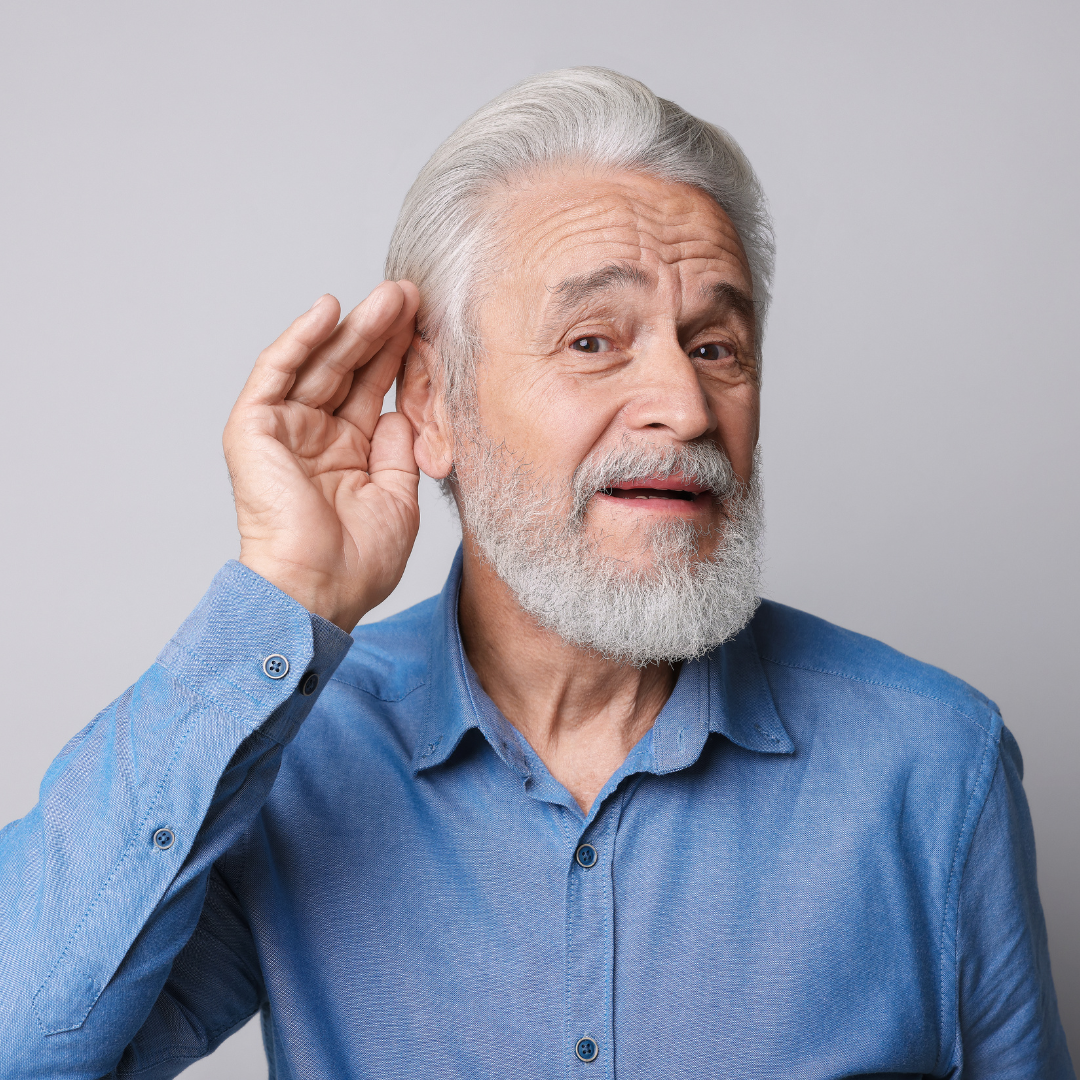
A man in a white t-shirt holds his hand to his ear and looks confused, as if trying to hear something better. The background is plain light gray.

Auditory Fatigue: The Hidden Link to Cognitive Strain

Is it common for you to feel physically and mentally spent after navigating a social environment? You might initially blame your exhaustion on general tiredness or a busy lifestyle. And it’s true that for introverts or people with sensory issues, social situations can be exhausting. But in some cases, the cause is a lesser-known culprit:

A woman is whispering to a man, who is leaning in with his hand to his ear, appearing to listen closely. Both are indoors, sitting on a couch, and seem to be having a private or secretive conversation.

7 Hearing Loss Myths: Separating Fact From Fiction

Prevalent myths regarding hearing loss frequently act as a barrier to necessary audiological treatment. Proactive management of hearing loss ensures the best possible outcomes for auditory preservation. Adhering to standard hearing myths often leads to diagnostic delays and a measurable decline in life quality. Identifying the facts behind auditory health allows you to navigate clinical

A woman wearing a brown coat stands outdoors, holding her collar up and shivering from the cold, with a blurred, misty background of trees and grass.

Environmental Impacts on Auditory Clarity: Seasonal Shifts

While age and loud environments are primary drivers of hearing loss, the calendar year dictates specific changes in how we process sound. If it seems that your ears often feel more blocked in the winter or more irritated during the summer, you’re probably right. Seasonal hearing loss symptoms are common and often linked to environmental

An older woman with gray hair sits on a black sofa, wearing a light scarf and white clothes, pouring pills from a brown bottle into her hand. A bookshelf and a potted plant are in the background.

Drugs Linked to Hearing Loss: Exploring Ototoxicity

Most people know loud noise can damage your hearing, but medications are a lesser-known culprit. Any medicinal product that threatens your ears is referred to as an ototoxic drug, which implies a direct danger to the delicate inner ear. While many ototoxic drugs are necessary (and highly effective) for treating serious medical conditions, knowing the

A man in a suit sits at a desk with a laptop, holding a cup and covering one ear, appearing uncomfortable or in pain. Office supplies and a phone are on the desk, and shelves are in the background.

How Hearing Loss Affects Job Success and Ways to Improve It

img src=”https://www.helpingmehear.com/wp-content/uploads/2026/03/person-struggling-to-hear-at-work.jpg” alt=”Person struggling to hear at work”> Hearing loss doesn’t stop at the office door. This condition frequently interferes with teamwork, virtual calls, and professional poise long before a diagnosis is ever suspected. Whether you or a direct report are navigating auditory struggles, grasping the impact of hearing loss on workplace output and identified